
What Attracts Raccoons to My Property?
Many homeowners are familiar with the nocturnal disturbances caused by raccoons. Known for being crafty and curious, these masked mammals often make themselves at home in suburban neighborhoods. But what exactly attracts raccoons to your property? Understanding their habits and environmental preferences can help you deter their presence and protect your home from unwanted midnight visitors. Taking early preventative measures is far easier than dealing with a full infestation after animals have settled in.
Food Sources and Outdoor Access
One of the primary attractions for raccoons is food. Raccoons are opportunistic feeders, and our backyards usually hold a buffet of enticing options. They are especially drawn to garbage bins, pet food left outdoors, and bird feeders. Additionally, gardens with fruits or vegetables are an open invitation to these nocturnal foragers. Even compost piles can become feeding grounds if not properly secured. Keeping your outdoor food sources sealed, using animal-proof trash lids, and removing leftovers at night are crucial steps in reducing raccoon intrusion. In persistent cases, professional wildlife removal services may be necessary to address ongoing activity and prevent further damage.
Shelter Opportunities and Den Sites
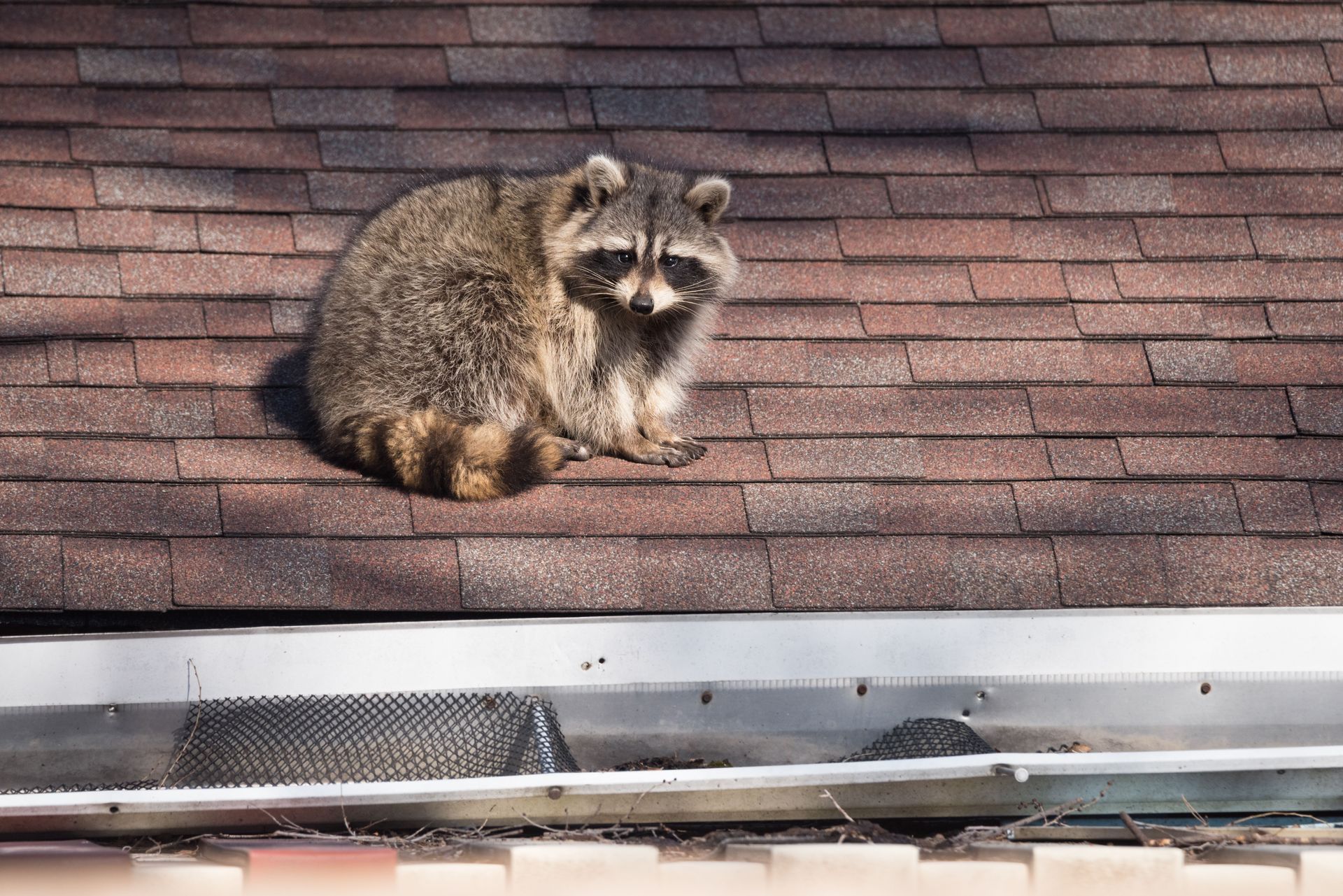
Another major factor that lures raccoons is the availability of shelter. According to the Alabama Forestry Commission, densities of raccoons can range from 30 to 60 per square mile depending on habitat quality and available den sites. Raccoons often seek out chimneys, attics, crawl spaces, or sheds as perfect spots to take up residence, especially during the breeding season. Once inside, they can damage insulation, wiring, and structural components. Ensuring that potential entry points are sealed, vents are screened, and trees are trimmed back from your roof can significantly decrease their access. When animals have already nested indoors, humane wildlife removal is often the safest and most effective solution.
Water Availability and Property Appeal
The presence of water sources can also be a significant lure for raccoons. Properties with ponds, swimming pools, pet bowls, or birdbaths can inadvertently become raccoon habitats. Raccoons need water not only to drink but also to wash their food, a peculiar behavior linked to their sensitive paws. By regularly maintaining these water features, draining standing water, and covering pools when not in use, homeowners can make their property less inviting.
While raccoons are primarily attracted by food, shelter, and water, proactive steps can help minimize their presence on your property. Properly securing trash, maintaining home structures, and managing water sources create a less appealing environment for these nocturnal visitors. Routine inspections and seasonal maintenance further reduce risk. Contact AB Wildlife Removal today to get connected with our wildlife services.
Share On: